

In this article



Back to blogs
Articles
April 20, 2026
·
8 min read
What Utilities and Energy Companies Are Really Buying When They Invest in Connectivity
What Utilities and Energy Companies Are Really Buying When They Invest in Connectivity
A guide for sales and advisory teams navigating SCADA reliability, OT security, and field communications conversations with infrastructure operators.
Connectivity for a utility is not the same as connectivity for an office. The stakes, the architecture requirements, the regulatory context, and the failure modes are fundamentally different. A utility that loses SCADA connectivity to a substation is not dealing with a productivity disruption. It is dealing with a safety event, a potential regulatory notification requirement, and a real-time operational crisis that its control center team has to manage blind.
Vendors who understand this distinction earn long-term relationships with infrastructure operators. Vendors who approach utilities with a standard enterprise connectivity pitch do not. The difference is not always in the product—it is in the conversation. It is in whether you open with “here is our LTE router” or with “here is how we keep your SCADA link up when the primary carrier has an outage at your most remote substation.”
This article helps sales and advisory teams frame those conversations with utilities and energy decision-makers across three core dimensions:
- What operational concerns actually drive connectivity investment decisions in this sector?
- Where do OT network vulnerabilities and connectivity failures typically originate?
- Why do generic enterprise connectivity solutions keep falling short in field environments?
How to Start the Conversation
Productive conversations with utility connectivity buyers do not start with bandwidth specifications or price per megabit. They start with control continuity, operational obligation, and security architecture. The utility buyer is not evaluating a connectivity solution in isolation. They are evaluating it in the context of regulatory obligations, NERC CIP compliance requirements, insurance expectations, and the operational consequences of a failed link at a critical asset.
The core question for any utility connectivity decision is not “are we connected?” It is: “Are we connected in a way that keeps SCADA data flowing reliably, keeps OT and IT networks properly segmented, and keeps field crews coordinated and visible—even when the infrastructure around us is failing?”
That reframe shifts the discussion at every level:
- From “What is your current carrier?” to “How many independent network paths does your most critical substation have, and when did you last verify that each one performs to specification?”
- From “Do you have a firewall?” to “If a compromised device at one remote site were to attempt lateral movement, how far could it get before your architecture stops it?”
- From “How do your field crews communicate?” to “Is your field communications fabric managed, monitored, and auditable from a single pane of glass—or is it a mix of ad-hoc modems, legacy radios, and consumer apps that your NOC cannot see?”
- From “Are you NERC CIP compliant?” to “Can you demonstrate that compliance to your insurer, your regulator, and your board today—and will you still be able to demonstrate it after your next infrastructure change?”
Utilities do not buy connectivity because they want faster internet. They buy it because they have operational obligations they cannot meet with their current infrastructure. Position every conversation around those obligations, and the solution sells itself.
What Utility Buyers Are Really Worried About
Utility and energy organizations operate under a combination of operational, regulatory, and financial pressures that make their connectivity and security priorities distinctly different from those of commercial enterprises. Understanding those pressures in depth is what separates a credible advisory conversation from a generic product pitch.
1. SCADA Connectivity With No Room for Failure
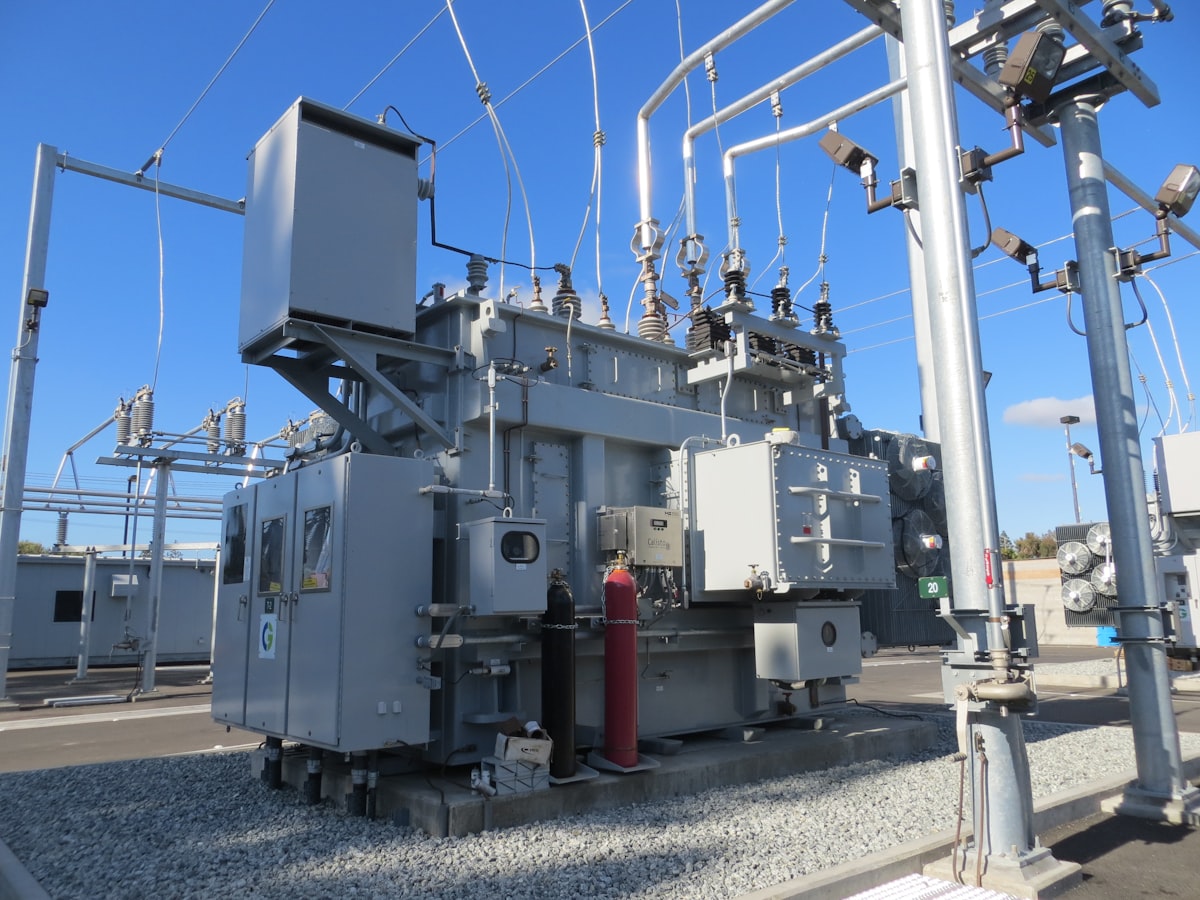
Substations, renewable generation sites, distributed pipeline monitoring, and remote pump stations all depend on low-latency, always-on data links to keep control and protection data flowing to the control center. When those links drop—even briefly—the operational consequences can range from a loss of visibility into a critical asset to a genuine safety event, depending on what the SCADA system is monitoring and controlling.
The architecture requirement for SCADA connectivity is fundamentally different from enterprise WAN requirements. It is not about average throughput or monthly uptime SLAs. It is about deterministic connectivity—the guarantee that the link will be up and performing to specification when it matters, including during the exact scenarios (carrier outages, natural disasters, grid events) that are most likely to trigger a SCADA alert in the first place. Multi-carrier cellular routers with intelligent bonding and automatic failover are the architecture answer. A single-carrier modem, regardless of the carrier’s reliability statistics, is not.
2. OT Networks One Breach Away From Exposure
Legacy operational technology was not designed with cybersecurity in mind. RTUs, PLCs, and SCADA systems installed a decade or more ago were designed for reliability and determinism, not for resistance to modern attack vectors. Many of them run on protocols—Modbus, DNP3, IEC 61850—that have no native authentication or encryption. They were designed to live inside a physically isolated network, and many of them still do. The problem is that the physical isolation is eroding, as utilities connect more remote sites over IP networks and grant more remote access to vendors and field technicians.
A compromised device at one remote site—a vendor laptop connected to a substation during a maintenance window, a cellular router with a default password, an RTU accessible over an unsegmented network—can become a lateral movement pathway across the entire OT environment if the architecture does not enforce segmentation and access control at every edge. Zero-trust at the edge is not a marketing concept for utilities. It is an operational requirement.
3. Field Operations Running on Disconnected Systems
Substations, service vehicles, and mobile field crews managed across a mix of ad-hoc LTE modems, consumer applications, legacy radio systems, and site-specific configurations create a visibility gap that costs utilities real money. Maintenance technicians who cannot access up-to-date work orders because the site modem is down. Vehicles that cannot report their location because they are outside their carrier’s coverage area. Control center teams that have no visibility into the network health of remote endpoints until something breaks.
A single managed communications fabric—with centralized policy enforcement, consistent security architecture, real-time monitoring, and a single pane of glass across every router, endpoint, and site—is increasingly what utility operations managers are asking for. The conversation to have is not “we can replace your modems.” It is “we can give your NOC visibility into every remote connection you have, enforce consistent security policy across all of them, and alert you before a failure happens rather than after.”
Where OT Vulnerabilities and Connectivity Failures Originate
The failure modes that matter most for utility connectivity fall into predictable categories, and understanding them in detail is what makes advisory conversations credible.
The first is single-carrier dependency at remote sites. Substations and remote assets that rely on a single cellular connection have a resilience profile that is only as strong as that carrier’s coverage and uptime at that specific location—which may be very different from the carrier’s aggregate network statistics.
The second is unsegmented OT architecture, where remote access pathways—vendor connections, cellular modem management interfaces, remote monitoring tools—share network paths with operational technology and create lateral movement opportunities for any attacker who gains initial access.
The third is the absence of centralized visibility. Remote sites that are managed ad-hoc, with locally configured modems and no NOC integration, are invisible until they fail—and by the time the NOC knows about a failure, the operational impact is already accumulating.
How to Turn This Into a Productive Conversation
For utility operations and technology leaders, the most effective conversations are anchored in the operational and regulatory consequences of the problems being solved, not in the technical specifications of the solution. Lead with the cost of the current architecture—in outage time, in regulatory exposure, in security posture, in operational visibility. Position the solution as the architecture that eliminates those costs, not as a product upgrade. Frame managed communications as a NOC capability, not a connectivity purchase. And always connect the conversation back to the obligations the utility already has—to regulators, to insurers, to customers, and to the communities that depend on their infrastructure.
Related articles
Keep reading
Articles
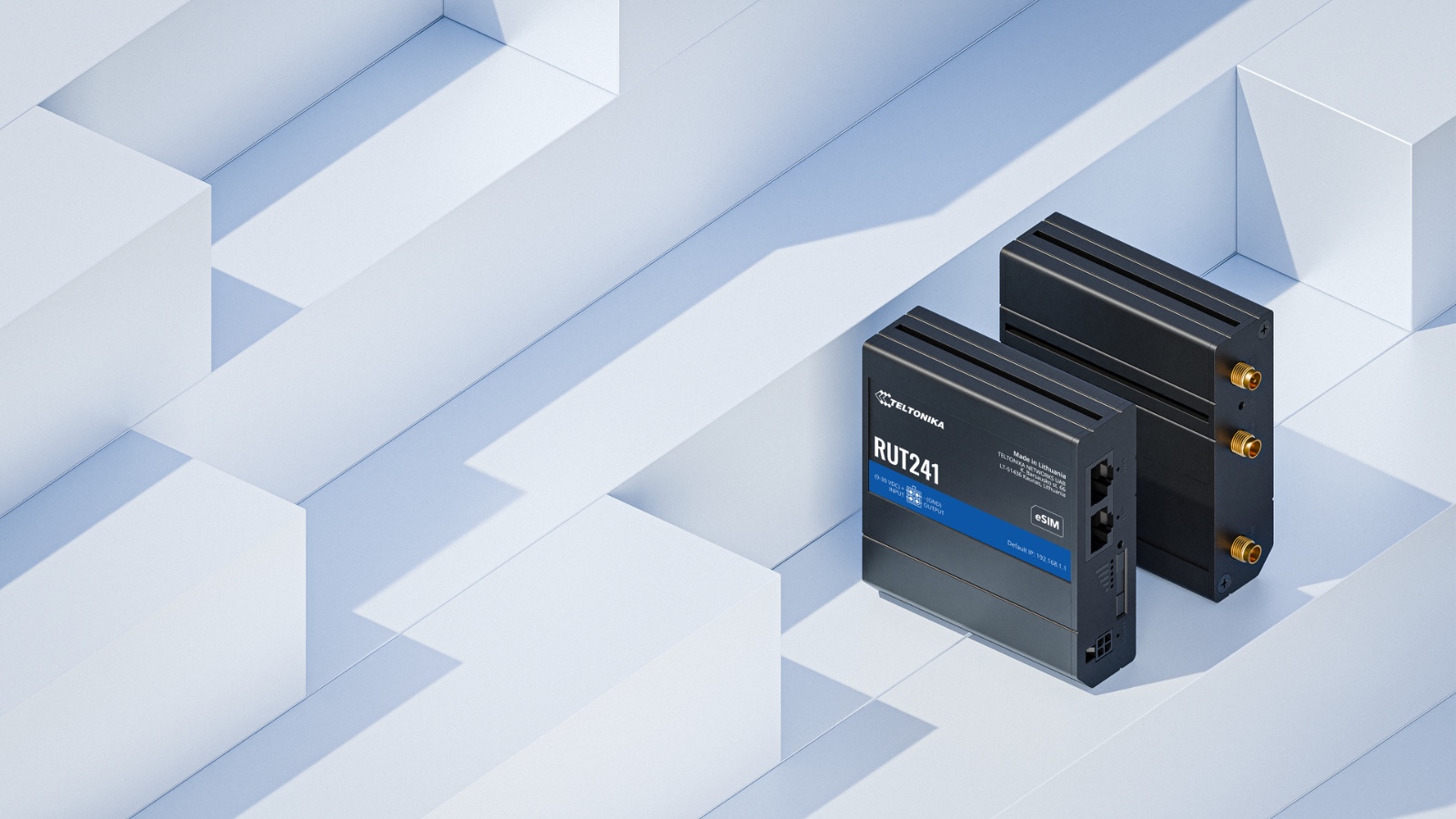
Beyond the Fibre Line: Three Teltonika Deployments and What They Mean for Canadian and U.S. Businesses
From remote energy sites to pop-up retail, see how Teltonika’s RUT241, RUT956 and RUTM50 routers solve real connectivity problems, and what it means for your operations in Canada and the U.S.
October 13, 2026
·
5 min read
Read Article

Articles
What Growing Businesses Get Wrong About Wireless Connectivity — And What It Is Actually Costing Them
Most growing businesses underinvest in connectivity until something breaks. This guide helps sales and advisory teams make the hidden cost of connectivity failures visible to mid-market leaders and frame the conversation around architecture, redundancy, and business continuity.
April 20, 2026
·
8 min read
Read Article

Articles
Why Retail and Hospitality Operators Are Consolidating Connectivity and Digital Signage Under One Provider
Fragmented technology relationships across multi-location retail and hospitality operations create more risk than they eliminate. This guide explores why operators are consolidating connectivity, digital signage, and network management under a single provider for brand consistency, operational control, and guest experience.
April 20, 2026
·
7 min read
Read Article

Technology advisory partner for mid-market and enterprise businesses across Canada.
©1999-2026 National Wireless All rights reserved.

Bell Canada is neither the owner nor the author of this Website, and it is in no way responsible for any of its contents or updates. As such, Bell cannot guarantee the accuracy or timeliness of the information presented in this site. The Bell logo is a trade-mark of Bell Canada, used under licence.
