

In this article



Back to blogs
Articles
April 20, 2026
·
7 min read
Why Retail and Hospitality Operators Are Consolidating Connectivity and Digital Signage Under One Provider
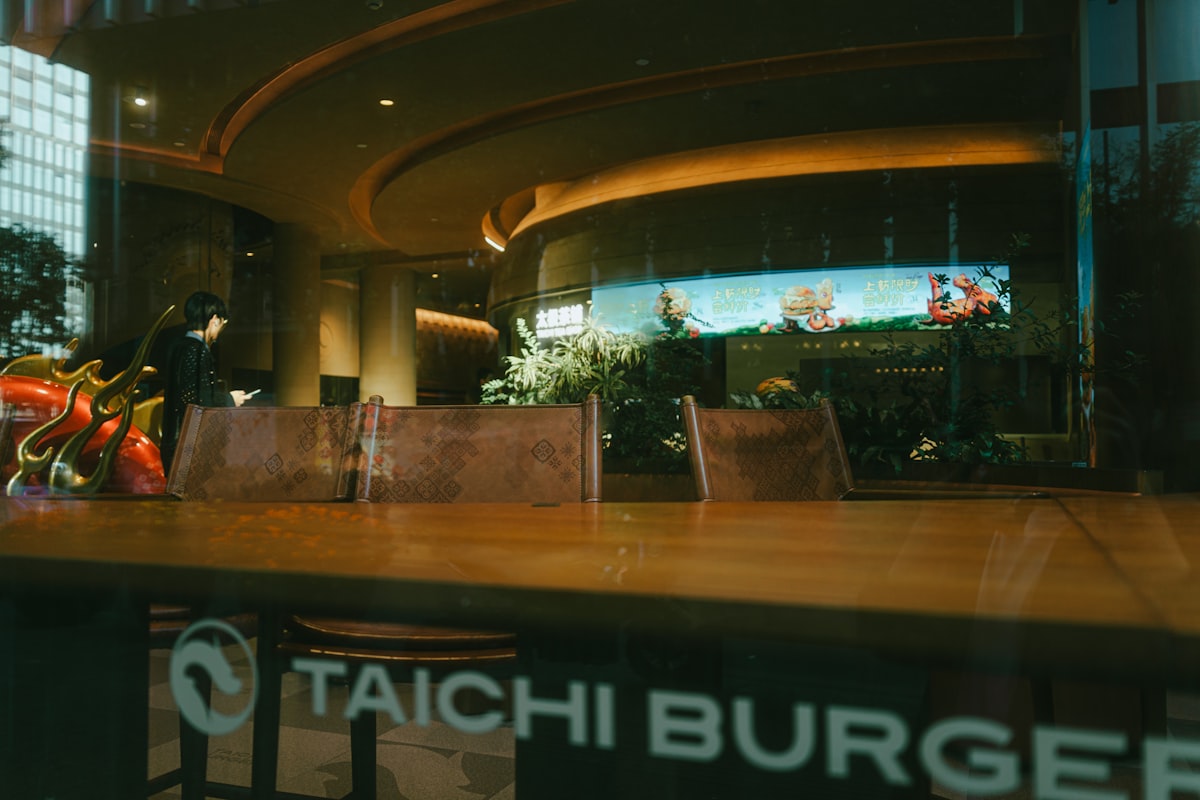
Why Retail and Hospitality Operators Are Consolidating Connectivity and Digital Signage Under One Provider
A guide for sales and advisory teams navigating multi-location connectivity, digital signage, and guest experience conversations with retail and hospitality decision-makers.
Multi-location retail and hospitality operators are discovering that fragmented technology relationships create more operational risk than they eliminate. One vendor for Wi-Fi. Another for POS connectivity. A third for digital signage. A fourth for the back-of-house systems. Each with its own SLA, its own support contact, its own management interface, and its own definition of where its responsibility ends and someone else’s begins. When something breaks—and something always breaks, usually on a Friday night at the highest-volume location—the conversation between vendors becomes its own operational crisis.
The organizations that are managing this well are not the ones with the most sophisticated technology stacks. They are the ones that have consolidated the most critical pieces of their in-venue infrastructure under a provider who owns the entire outcome—not just a component of it. The conversation is shifting from “what is the cheapest connectivity?” to “what is the most manageable, most consistent, and most guest-ready infrastructure across all of our locations?”
This article helps sales and advisory teams frame those conversations with retail and hospitality decision-makers by focusing on three questions:
- What operational concerns are actually driving technology investment decisions in this sector?
- Where do guest experience failures typically originate in the network?
- Why do multi-vendor, site-by-site approaches keep underperforming as the organization scales?
How to Start the Conversation
Productive conversations with retail and hospitality technology buyers do not start with bandwidth specifications. They start with brand consistency and operational control. The buyer you are speaking with is not typically a network engineer. They are an operations director, a VP of IT, or a regional manager who is responsible for making sure that every location delivers a consistent experience—to guests, to staff, and to the corporate brand standards they are accountable for.
The underlying question that drives technology investment in this sector is: “Can every location, every screen, and every guest-facing system perform consistently, without requiring local IT expertise at each site?” That reframe changes the discussion at every level:
- From “Do you have internet?” to “Is your digital signage content synchronized across all locations right now—and if it is not, how long does it take to fix that?”
- From “What is your Wi-Fi password?” to “Is your guest network completely isolated from your POS systems, your back-office applications, and your inventory management tools?”
- From “Who manages your screens?” to “Can you push a promotional update, a menu change, or an emergency message to every display in your entire network in under five minutes—without calling your IT team or visiting a single site?”
- From “Who do you call when something breaks?” to “How many vendor support numbers does your operations team have saved in their phones, and how long does a resolution typically take when three of those vendors all point to each other?”
Retail and hospitality operators who have experienced the pain of fragmented vendor relationships respond immediately to a conversation about consolidation and single-point accountability. Lead with that conversation, and the technical discussion follows naturally.
What Retail and Hospitality Operators Are Really Worried About
The technology concerns of retail and hospitality operators cluster around three themes: brand consistency at scale, operational resilience in high-demand environments, and the overhead of managing complex, fragmented technology relationships across multiple locations.
1. Digital Signage With No Central Control
Menu boards, promotional kiosks, digital directories, and customer-facing displays that require manual content updates at each location are both a brand liability and an operational burden. When a price changes, a promotion ends, or a menu item is removed from inventory, that change needs to propagate to every relevant display in every location immediately—not over the course of the next few days as local managers find time to update their screens manually.
The For2Fi and Mandoe digital signage solution addresses this directly. A centralized content management platform, powered by dedicated 5G connectivity that is completely independent of the location’s general-purpose network, allows operators to design, schedule, and push content to any screen in their network from a single interface. AI-powered templates for menus, promotions, and announcements mean that content creation is accessible to operations staff who are not graphic designers. And because the signage network runs on its own dedicated connection, a busy Friday night guest Wi-Fi load will never slow down a menu board or cause a kiosk to display outdated content.
2. Guest Traffic That Competes With Business-Critical Systems
In high-density retail and hospitality environments, the network is doing many things at once. Guests are streaming, browsing, and using location-based applications. Staff are processing transactions, accessing inventory systems, and communicating across the floor. Back-of-house systems are syncing with cloud platforms, processing loyalty data, and running analytics. Digital signage is pulling content updates and reporting display health. Security cameras are streaming to cloud storage.
When all of this runs on a shared network without proper segmentation and traffic prioritization, the result is congestion that affects the systems that matter most. A POS system that runs slowly during the lunch rush because it is competing with guest Wi-Fi traffic is not a minor inconvenience. It is a queue-lengthening, revenue-affecting, guest-experience failure that happens every day at every high-volume moment. The architecture solution is not more bandwidth on a shared network. It is proper segmentation—dedicated network paths for POS and operational systems, isolated guest Wi-Fi, and a separately managed connection for digital signage—so that each type of traffic gets the performance it needs regardless of what everyone else is doing.
3. Managing Multiple Locations Without a Single View
Retail and hospitality operators running multiple locations face a scaling problem with fragmented technology management. Each location may have been set up at a different time, by a different contractor, with different hardware, and managed through a different vendor portal. The result is that the operations team or IT director who is nominally responsible for technology across all locations has no single, coherent view of what is working and what is not.
This is not a problem that gets better as the organization grows. It gets worse. Each new location adds another set of vendor relationships, another management interface, and another configuration that needs to be maintained, updated, and supported. The solution is not more sophisticated tools for managing a fragmented environment. It is consolidating to an architecture where every location is visible, every connection is monitored, and every issue is visible to a single team before it becomes a guest-facing failure.
How to Turn This Into a Productive Conversation
For retail and hospitality operators, the most effective technology conversations are anchored in operational outcome, not technical specification. Lead with the brand consistency, operational efficiency, and guest experience improvements that a consolidated architecture delivers. Frame digital signage as a marketing and operations tool, not an IT project. Position network segmentation as a revenue protection measure, not a security checkbox. And always connect the conversation back to what the operator is actually accountable for: delivering a consistent, high-quality experience across every location, every day, at scale.
Related articles
Keep reading
Articles
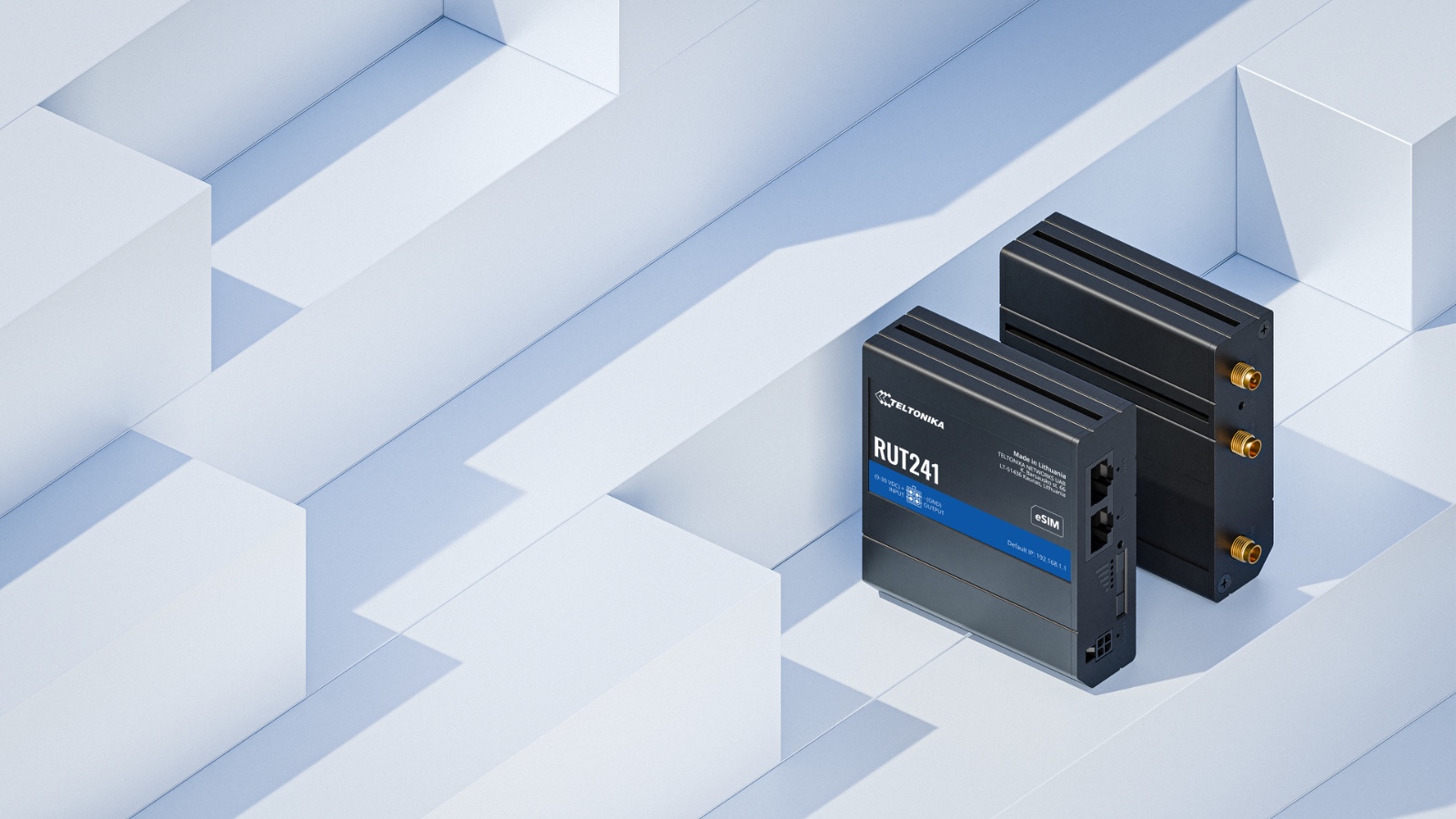
Beyond the Fibre Line: Three Teltonika Deployments and What They Mean for Canadian and U.S. Businesses
From remote energy sites to pop-up retail, see how Teltonika’s RUT241, RUT956 and RUTM50 routers solve real connectivity problems, and what it means for your operations in Canada and the U.S.
October 13, 2026
·
5 min read
Read Article

Articles
What Growing Businesses Get Wrong About Wireless Connectivity — And What It Is Actually Costing Them
Most growing businesses underinvest in connectivity until something breaks. This guide helps sales and advisory teams make the hidden cost of connectivity failures visible to mid-market leaders and frame the conversation around architecture, redundancy, and business continuity.
April 20, 2026
·
8 min read
Read Article
Articles
Why Retail and Hospitality Operators Are Consolidating Connectivity and Digital Signage Under One Provider
Fragmented technology relationships across multi-location retail and hospitality operations create more risk than they eliminate. This guide explores why operators are consolidating connectivity, digital signage, and network management under a single provider for brand consistency, operational control, and guest experience.
April 20, 2026
·
7 min read
Read Article

Technology advisory partner for mid-market and enterprise businesses across Canada.
©1999-2026 National Wireless All rights reserved.

Bell Canada is neither the owner nor the author of this Website, and it is in no way responsible for any of its contents or updates. As such, Bell cannot guarantee the accuracy or timeliness of the information presented in this site. The Bell logo is a trade-mark of Bell Canada, used under licence.
