

In this article



Back to blogs
Connectivity
June 30, 2024
·
6 min read
Alarm Systems and the POTS Sunset: What Security Integrators Are Not Telling You

When businesses begin planning their POTS migration, alarm systems are typically identified early as a dependency. Most commercial alarm systems in Canada communicate over copper POTS lines — the alarm panel dials out to the monitoring centre over the same telephone infrastructure that is now being decommissioned.
What is less commonly understood is that the path of least resistance for migrating alarm communication is not always the right one — and that security integrators proposing that migration may have financial incentives that do not align with their clients’ operational interests.
How Alarm Monitoring Communication Works
A traditional monitored alarm system communicates with the monitoring centre through one of three pathways: POTS (copper telephone line), cellular (via a communicator module), or IP (over the building’s internet connection).
Most commercial alarms installed before 2015 use POTS as their primary communication path. When the copper line is decommissioned, the alarm panel loses its ability to communicate with the monitoring centre. In practice, it often means the alarm simply stops being monitored without anyone noticing.
What Security Integrators Typically Propose
The most common recommendation from security integrators for POTS-dependent alarm systems is a full panel replacement — new hardware, new installation, new monitoring contract. This recommendation is almost always framed as a necessity.
In many cases, this is not true.
Most commercial alarm panels manufactured after approximately 2005 can be migrated to cellular or IP communication through the addition of a communicator module. The communicator plugs into the existing panel, replaces the POTS communication pathway, and the panel continues operating on existing programming, existing sensors, and existing wiring.
A communicator module typically costs $150–$400 plus installation labour. A full panel replacement typically costs $1,500–$5,000 plus installation, plus a new monitoring contract that often carries a longer term and different pricing.
Why This Matters
The financial incentive structure in commercial security is tilted toward hardware sales and long-term monitoring contracts. A full panel replacement generates significantly more revenue than a communicator module installation. The conversation about whether a panel replacement is actually necessary often does not happen.
Questions to Ask Your Security Integrator
A credible integrator will have specific, technical answers. A vague response or an assertion that the panel is too old without specifics is worth scrutinising.
The Communicator Module Approach
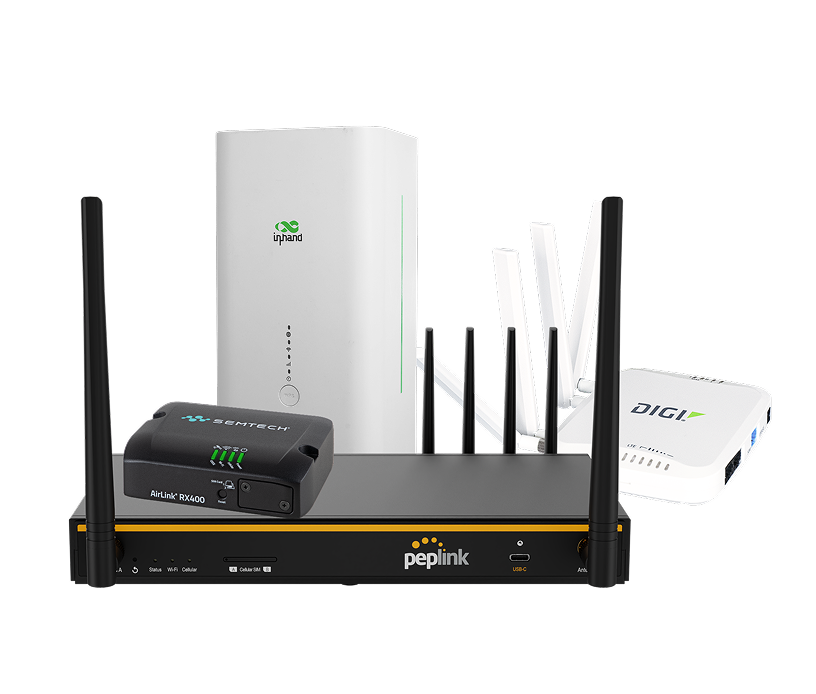
Cellular communicators connect the alarm panel to the monitoring centre over a cellular data network. This is the preferred approach for most commercial installations because it is independent of the building’s internet connection and provides genuine backup for internet outages.
IP communicators connect the alarm panel over the building’s internet connection. This is faster and typically lower-cost than cellular, but creates a dependency on internet connectivity.
For most commercial installations, cellular communication is the appropriate primary pathway. The monitoring centre must support the communication protocol of the chosen communicator module — confirm compatibility before purchasing hardware.
The Broader POTS Migration Context
Alarm systems are one component of a POTS dependency audit, not the whole picture. Most commercial buildings have multiple copper-dependent services — elevator emergency phones, fax lines, back-office telephony, and industrial monitoring equipment — that all need to be addressed in the same migration window.
A piecemeal approach to POTS migration creates coordination risk and typically higher total cost than a coordinated migration that addresses all dependencies in a planned sequence. If your organisation has not yet done a comprehensive POTS dependency audit across all locations, that is the right starting point.
Related articles
Keep reading

Articles
Beyond the Fibre Line: Three Teltonika Deployments and What They Mean for Canadian and U.S. Businesses
From remote energy sites to pop-up retail, see how Teltonika’s RUT241, RUT956 and RUTM50 routers solve real connectivity problems, and what it means for your operations in Canada and the U.S.
October 13, 2026
·
5 min read
Read Article

Articles
What Growing Businesses Get Wrong About Wireless Connectivity — And What It Is Actually Costing Them
Most growing businesses underinvest in connectivity until something breaks. This guide helps sales and advisory teams make the hidden cost of connectivity failures visible to mid-market leaders and frame the conversation around architecture, redundancy, and business continuity.
April 20, 2026
·
8 min read
Read Article

Articles
Why Retail and Hospitality Operators Are Consolidating Connectivity and Digital Signage Under One Provider
Fragmented technology relationships across multi-location retail and hospitality operations create more risk than they eliminate. This guide explores why operators are consolidating connectivity, digital signage, and network management under a single provider for brand consistency, operational control, and guest experience.
April 20, 2026
·
7 min read
Read Article

Technology advisory partner for mid-market and enterprise businesses across Canada.
©1999-2026 National Wireless All rights reserved.

Bell Canada is neither the owner nor the author of this Website, and it is in no way responsible for any of its contents or updates. As such, Bell cannot guarantee the accuracy or timeliness of the information presented in this site. The Bell logo is a trade-mark of Bell Canada, used under licence.
